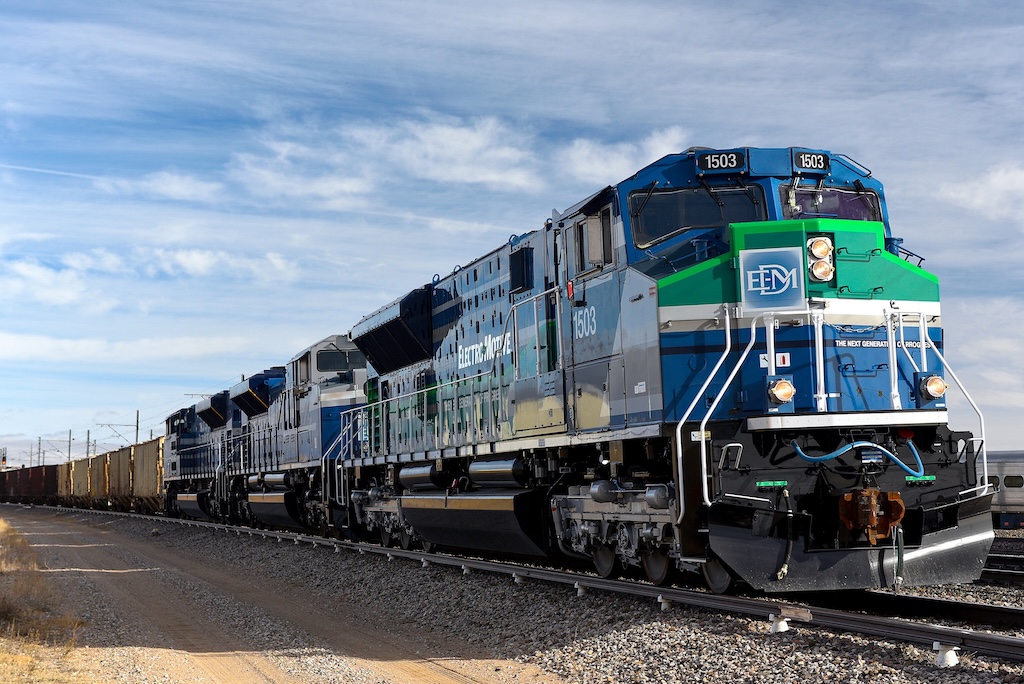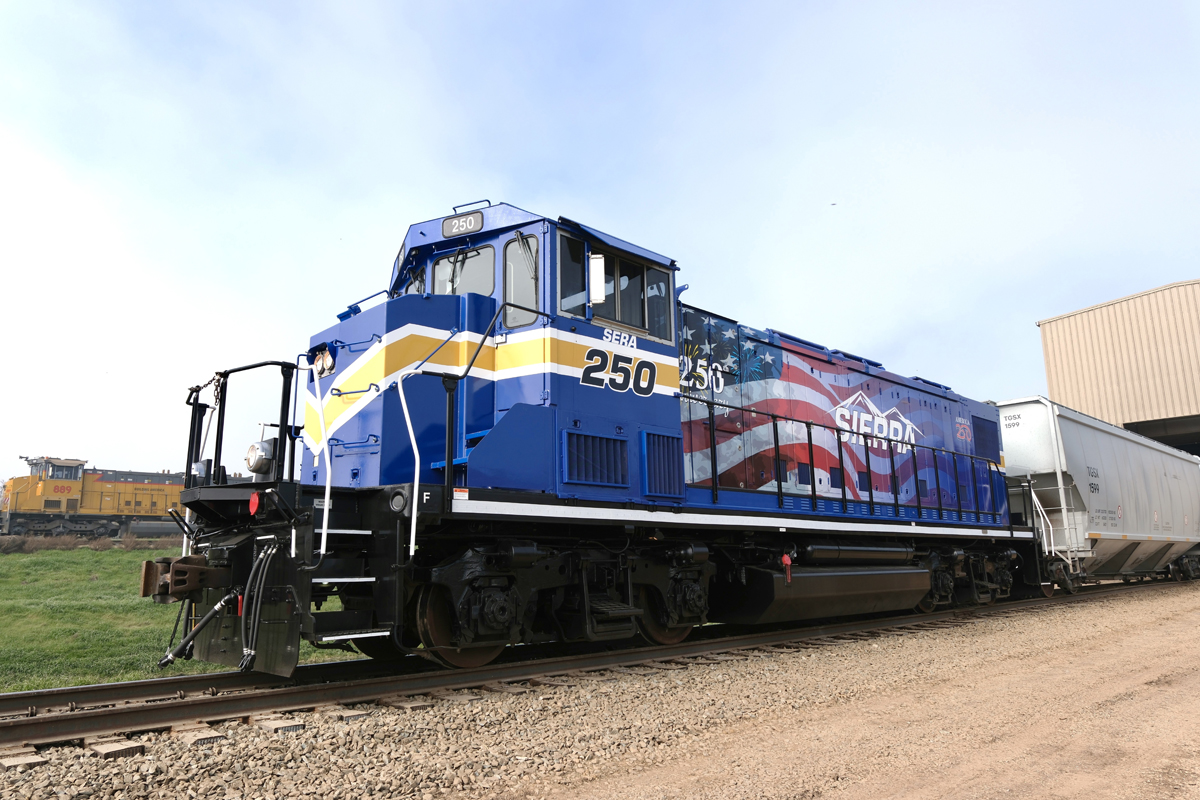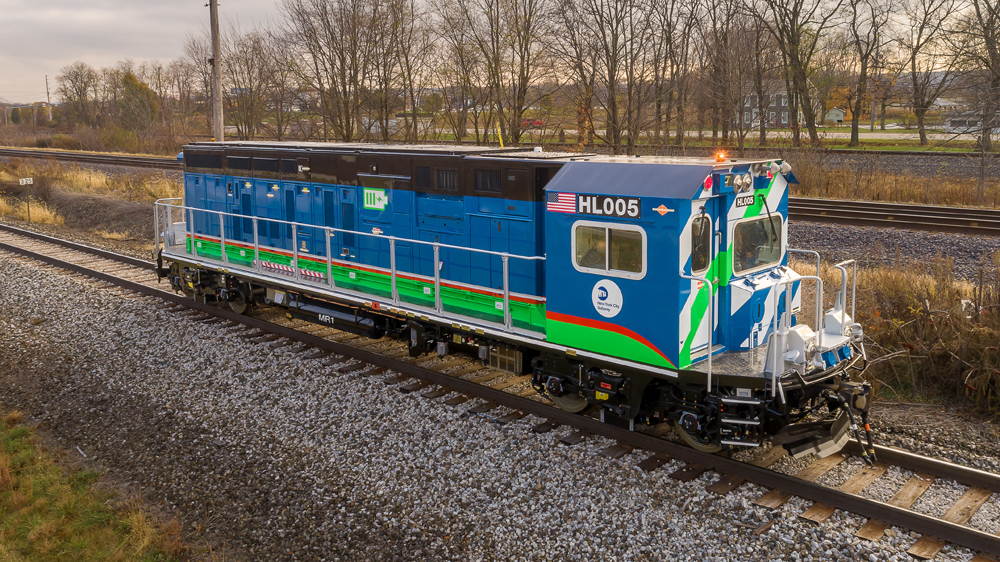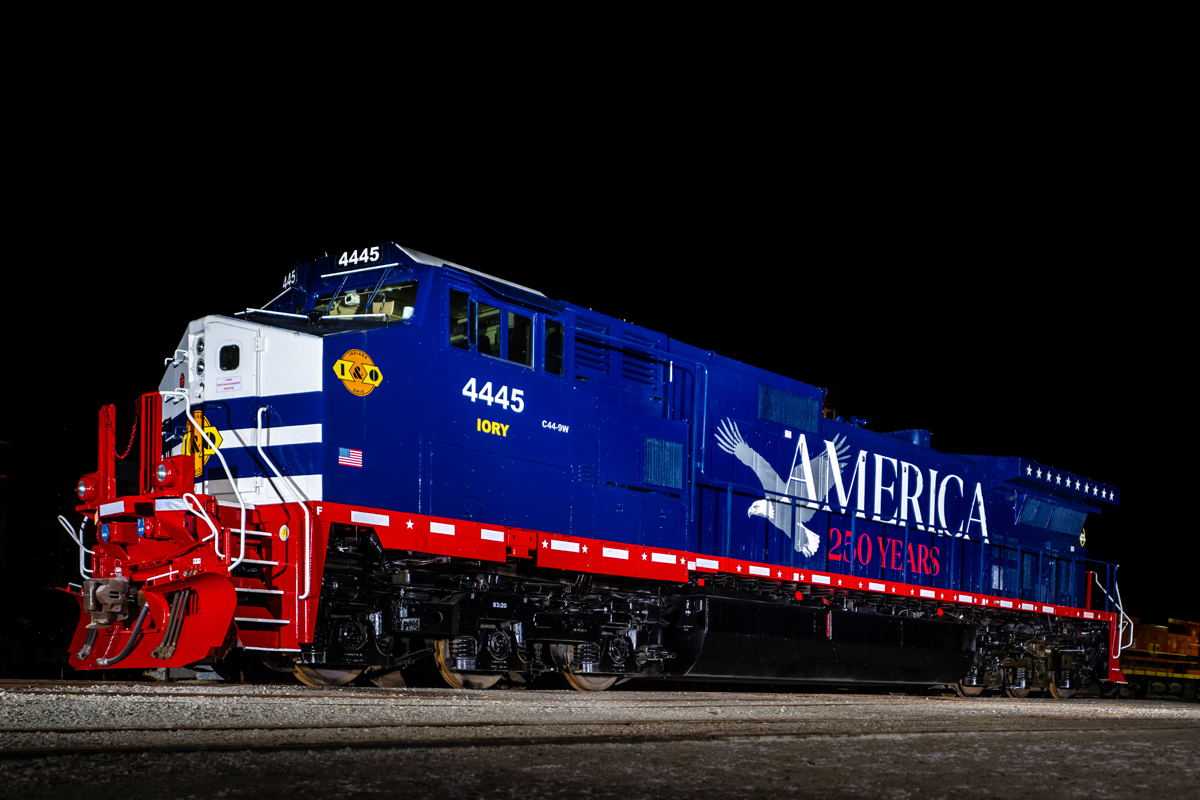





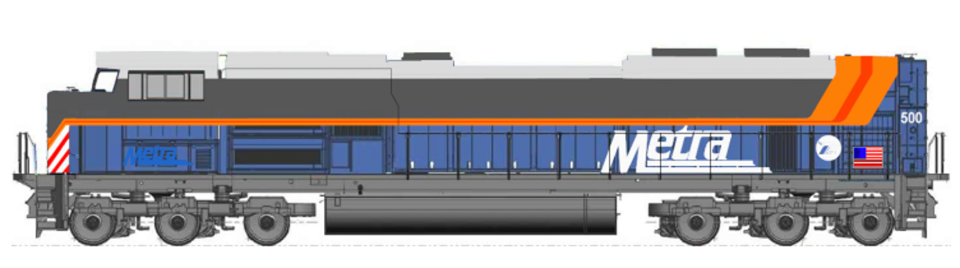
According to a Metra announcement, Progress Rail will take existing EMD SD70MAC freight locomotives and upgrade and configure them for passenger use. All components will either be refurbished, upgraded or new. The newly remanufactured locomotives will be designated as SD70MACH locomotives.
“Our goals with this locomotive purchase are to increase reliability and improve the state of good repair on our system,” Metra CEO/Executive Director Jim Derwinski said in a statement. “These like-new locomotives will be replacing some of the oldest locomotives in our fleet, and we would expect to see a significant increase in reliability as these newer locomotives are introduced.”
In a presentation to Metra’s Board of Directors, Chief Mechanical Officer Kevin McCann said 103 locomotives, or about 70 percent of Metra’s current fleet of 147, are rated in marginal or poor condition. The average age of Metra locomotives is 31 years, he said.
The addition this year of 21 used F59PHI locomotives purchased from Amtrak and three F59PHs from Progress Rail will reduce that percentage to about 45 percent. The addition of the remanufactured freight locomotives will reduce that percentage to 14 percent by 2023, he said.
“With this procurement, we’ll start seeing a big improvement in reliability,” McCann said. The newer locomotives will also reduce operating costs, since the older locomotives are increasingly expensive to maintain and operate, he said.
Metra Chairman Norm Carlson pointed out that Progress Rail is a wholly owned subsidiary of Caterpillar, an Illinois company, and that Progress Rail has a research facility in La Grange, a suburb of Chicago.
“There’s a benefit to that,” Carlson said. “We’re using tried and true equipment.”
Metra issued an request for proposals in January 2018 for companies to provide proposals for either new or remanufactured locomotives. Metra chose remanufactured locomotives primarily because it can buy more of them than new locomotives, McCann said.
McCann said a significant benefit from the purchase will be evident in the locomotives’ traction motors, which deliver the power generated by the diesel engine to the wheels. The remanufactured locomotives will have AC traction motors, which are far more durable and reliable than the DC traction motors in Metra’s older locomotives.
For example, Metra currently needs to replace about 160 DC traction motors annually. On Metra Electric cars, the oldest of which have had AC traction motors for 12 years, Metra has not had to change a single traction motor.
The remanufactured locomotives have a similar design to Metra’s F59 locomotives so Metra will be able to use the same parts inventory and won’t need different training and maintenance programs, McCann said.
The new locomotives will have 4,300-hp, a 34-percent increase. Another major upgrade is a microprocessor-controlled brake system.
The remanufactured locomotives will meet the Environmental Protection Agency’s Tier 3 emissions standards, McCann said. Replacing 42 of Metra’s current locomotives that are rated Tier 0+ with 42 Tier 3 locomotives will eliminate 61 tons of nitrous oxide emissions annually – the equivalent to taking 6,600 cars off the road.
UPDATE: Full write through. Wednesday, Feb. 20, 2019, 3:42 p.m.
UPDATE: Adjusted headline. Thursday, Feb. 21, 2019, 8:54 a.m.